
Over the past few years, Asian food has become glamorized by social media. Whether it is content creators traveling to Asia or exploring the hottest new Asian restaurant in town, it seems that social media is flooded with Asian food. However, the mainstream perception of Asian culture was not always like this. At one point, the smell of boiled potstickers or soup dumplings wafting through an elementary school cafeteria made students recoil and hold their noses. The food was something to make fun of, not enjoy.
This glamorization of Asian food through social media has increased prices around the globe. While it is true that inflation is partially to blame, it is the spike in demand that ultimately continues to drive prices to historic highs.
One example of this trend is the matcha latte. Its taste is relatively mild, making it an easy introduction to Japanese and wider Asian food. Moreover, these drinks blend something familiar, lattes, with something “exotic,” matcha, making it easier for other Western cultures to accept.
Once people become matcha latte enjoyers, it becomes easier to accept drinks like milk tea. Both of these drinks are also extremely customizable, allowing people to change the toppings, milk type, sugar, and more. This customizability, alongside its delicious taste, has popularized milk tea with the American market, as customers can both enjoy the drink and feel proud of thinking they played a larger role in its creation than they actually did.
Above all else, factors in popularizing Asian food, though, is social media. Whether it is the performative male stereotype or the Seaside Bakery Asians, these trends and memes are the main factor in spreading awareness of drinks such as matcha to places not as familiar with the drink.
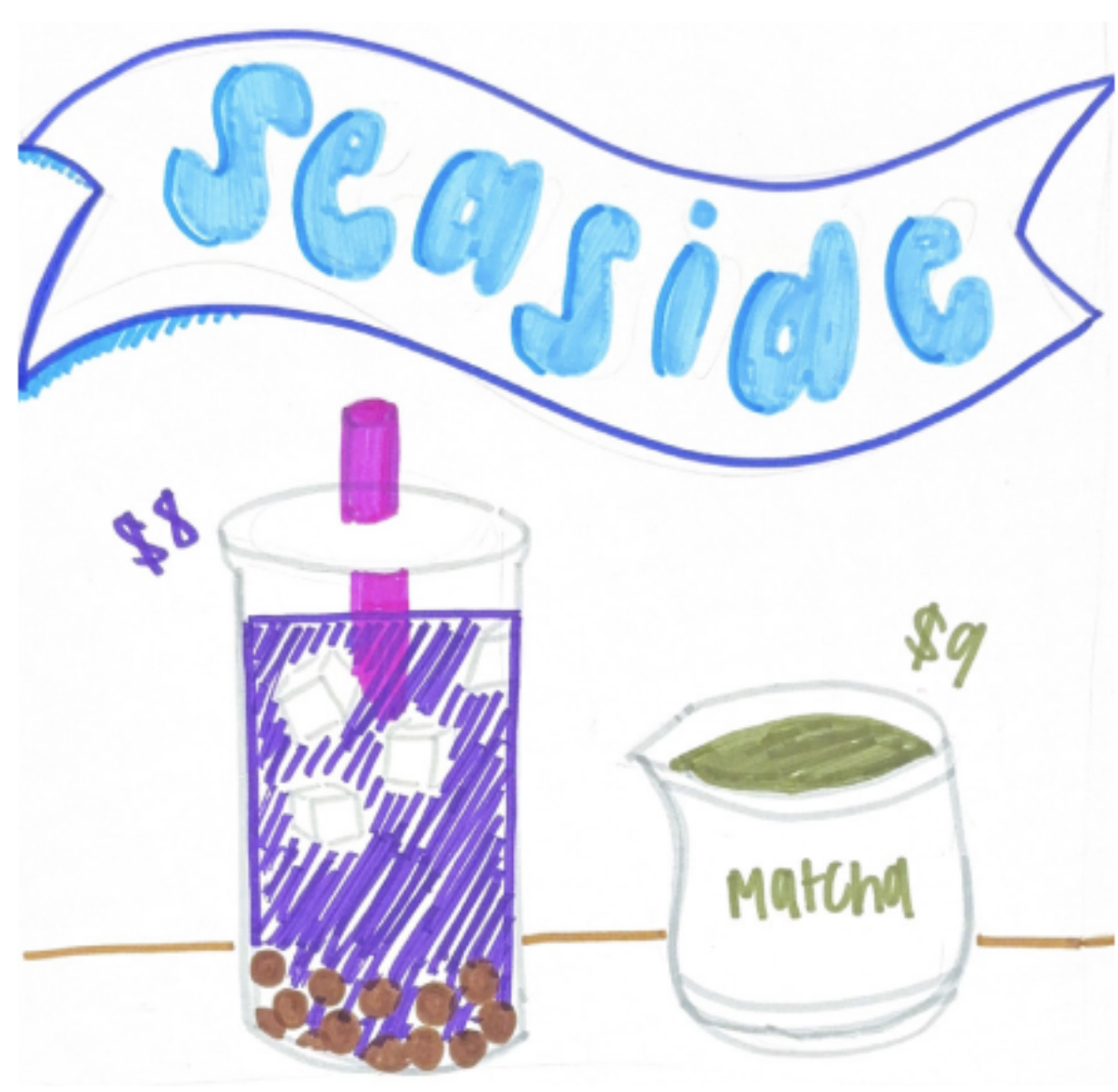
This demand has also opened the market to premium and foreign brands, which often charge more because of the name and reputation behind them. But these ridiculous prices don’t stop people from waiting hours just to try a $9 drink they see all over Instagram.
So, as these drinks become more popular, prices for them will continue to rise. Whereas boba once cost $5 for a large, it now costs that much for a small, and $7 for a large at many popular chains. While I am happy to see more people appreciating this ancient and vast culture, it hurts my heart to see the price of Asian food across the Bay Area shoot up to the moon.