
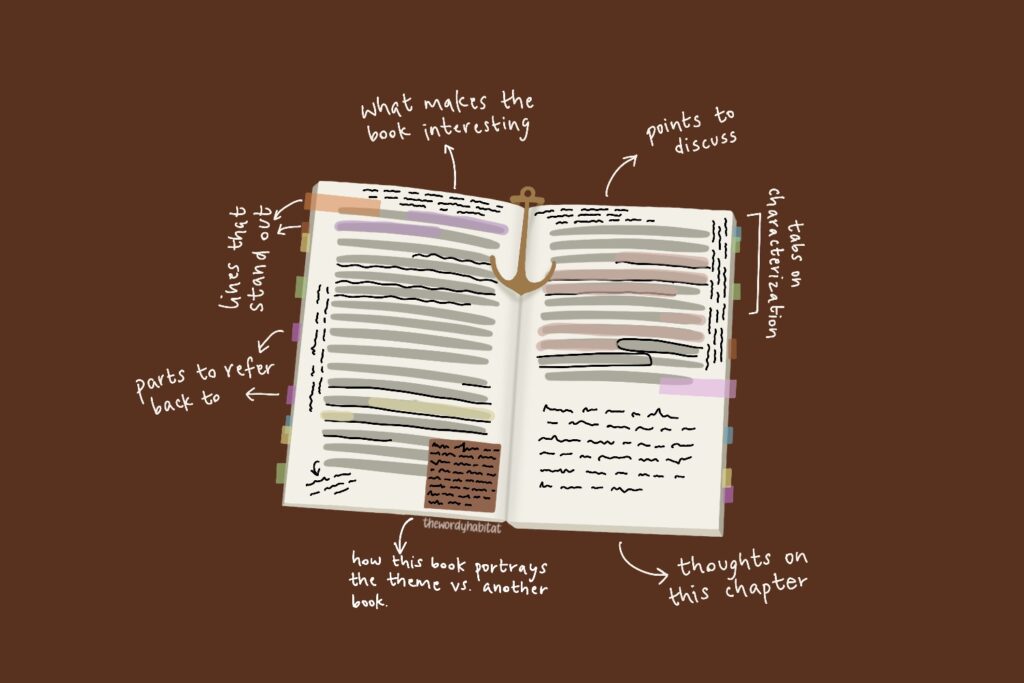
As I’m writing this right now, I have just put down my pencil case full of multicolored highlighters, one for each essential question I must annotate. In almost every history or English class, it is required that you annotate the text you are reading. Annotations are traditionally meant to aid understanding of the text, create thoughtful connections, and help readers recognize patterns. However, the demand for margins intensely filled with annotations has proven counterproductive to its purpose. It is no longer a tool; it is something that is graded based on a subjective decision about whether it is good enough. Not only does this take away from helping students by forcing us to spend far too much time on a reading that should only take 30 minutes, but it also makes annotations seem like a negative thing, when their purpose is supposed to be positive.
Most students can agree. In a poll sent out, over half of students voted “No” to a question about whether they appreciate annotating. A third of students voted “Yes” to this question, along with other short responses that offered more detailed opinions. One student said, “I appreciate it, but I don’t like when it is graded,” and another student said, “It’s helpful, but it sometimes distracts me from the reading and takes a lot of extra time.”
Another question in the poll asked whether people would enjoy reading more if they weren’t required to annotate. Over 75% of students answered yes. One student said, “I think initially, when I first read the text, I enjoy it more when I don’t have to annotate it. However, when I revisit it for discussions, annotations become very useful in my understanding of the texts.”
While annotations can feel like a drag, I can understand how useful it is for teachers to have their classes annotate the text. It ensures that people are engaging with the readings, as well as thinking deeper and creating connections. Nevertheless, teachers should recognize that the annotation process often becomes rushed, with students writing unnecessary and irrelevant things just to fill the space, which can take a significant amount of time and ultimately take away from the enjoyment of the reading. Highlighters are running out of color, and pens are drying out. Instead of engaging more through annotations, students disengage and feel the need to speed-run this tedious homework task.