
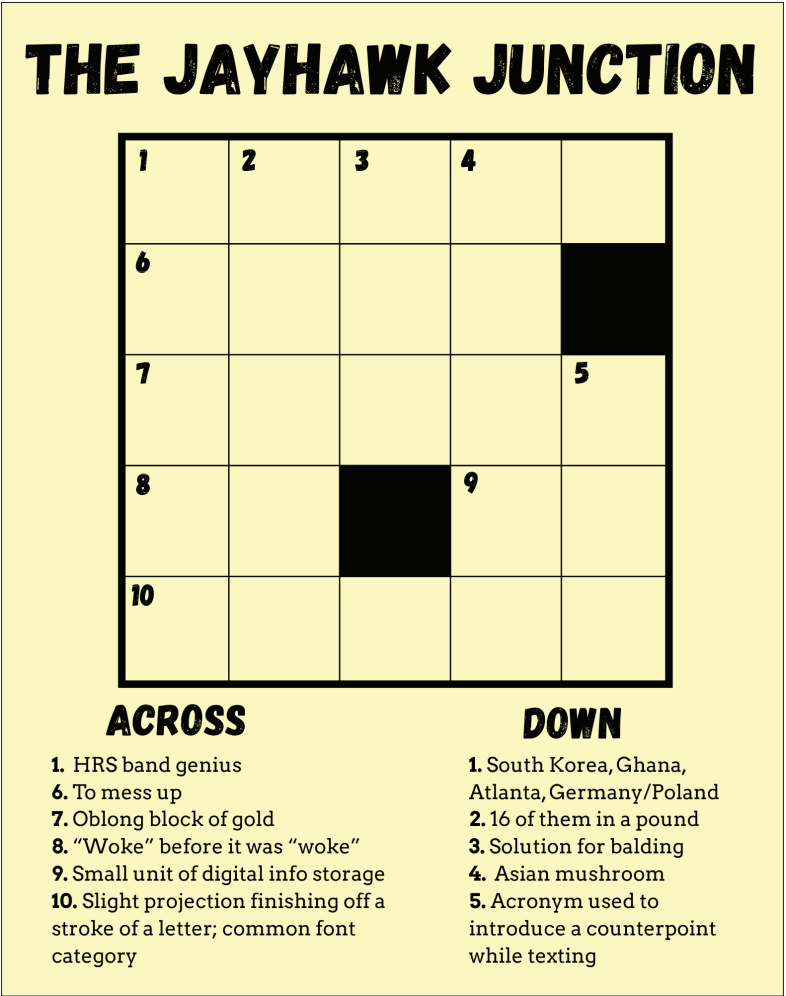
For years, the New York Times Mini Crossword has been a small but meaningful part of people’s daily lives. The game has offered a way for people to challenge their minds and take a break from everyday stress. For many, finishing it every morning is as routine as drinking coffee or brushing their teeth. Recently, however, the decision to put these puzzles behind a paywall has sparked debate and frustration.
When you first hear of it, it doesn’t seem like a big deal, as subscriptions for entertainment are common for platforms like Netflix and HBO Max. But for some, this is about more than the small amount of money required. This is about accessibility. The crossword used to be a public good, a small and free way for anyone to engage in daily fun. Moving it behind a paywall suddenly makes it exclusive, only available to those who pay. Junior Megumi Prather shares this frustration, and said, “I was annoyed and surprised when I first found out, because I did it all the time and I don’t want to pay now.” For people like Prather, who relied on the puzzle as a part of their routine, the decision felt like a personal loss.
Selah Sood exclaims how “This also reflects a much deeper problem in our society right now”, highlighting how over time, more and more resources that were once widely accessible have been privatized or defunded. Even popular shows like Saturday Night Live have faced budget cuts that limit their content.
While entertainment is often treated as a luxury, some note that it should be something that everyone should be able to access for free. Although small, these puzzles spark broader questions about public access to cultural resources and the value we place on simple items of joy.
For now, the crossword remains a game, but the debate surrounding it puts light on how society weighs dollars over shared fun. If you’re still looking for a dose of enjoyment, try our games section on page 12-as an alternative, no subscription required.