
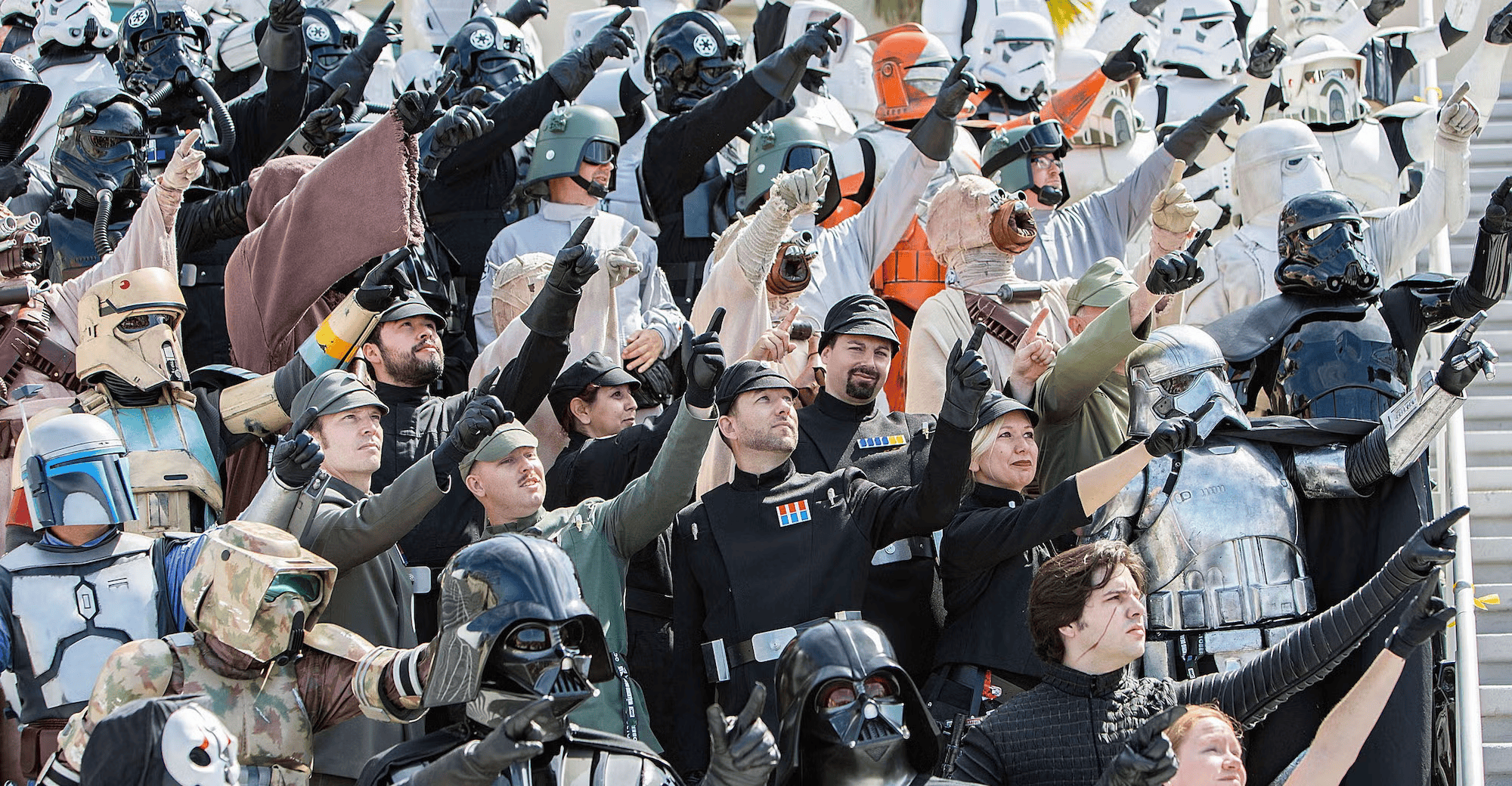
When Star Wars premiered in US theaters on May 25, 1977, it quickly garnered global attention thanks to its revolutionary special effects, brilliant worldbuilding, and unforgettable characters. George Lucas’ blockbuster film popularized and legitimized the science fiction genre, with its well-regarded sequels, The Empire Strikes Back (1980) and Return of the Jedi (1983) cementing the franchise as an all-time great.
Lucas later created three prequels to this original trilogy; A Phantom Menace (1999), Attack of the Clones (2002) and Revenge of the Sith (2005). Receiving mixed reviews, these movies were criticized due to awkward dialogue, poor acting, and controversial characters. However, many fans enjoyed the storylines and settings despite denouncing their sloppy executions. Additionally, public opinion of the prequels has slowly improved over time. Senior Arturo Mercado, an avid Star Wars fan stated how “the prequels introduced so many more stories to be told.”
Since then, Star Wars has struggled to create blockbuster live-action products. After George Lucas sold Lucasfilm—which included Star Wars—to Disney in 2012, they created a sequel trilogy that was widely thought to not only share the prequels’ executionary flaws but also have major plot holes and tarnish the reputations of iconic characters from the original movies.
Ryan Lo, another Senior and Star Wars lover, believes the sequels may have found more success building off of the work of the prequels. “The Prequel trilogy is my favorite because of the deep political story it creates,” he said. “It accurately connected so many dots and threads that the sequels should have expanded on.”
While animated shows like The Clone Wars (2008) and Rebels (2014) became popular with younger viewers like Lo and Mercado years after their release, recent live-action shows have had varying levels of critical and financial success. As Mercado points out, “Many of the new releases nowadays depend so much on previous titles. . .after a while, it loses its touch.”
The Book of Boba Fett (2021) and Ahsoka (2023) both relied on the name recognition of iconic characters instead of crafting unique characters. Alongside The Acolyte (2024), these shows also reused plot points and featured often subpar acting. In contrast, shows featuring relatively new characters who were well-developed and likeable, like The Mandalorian (2019) and Andor (2022), have become fan favorites and are considered some of the best products of Disney Star Wars.
Given the sharp decline in the quality of Star Wars content, many fans are growing frustrated with Disney. As Lo puts it, “Disney is milking every last penny out of its famous characters without caring anymore how its stories are perceived.”
But with Disney’s recent failures, many believe they need to consult the large and devoted Star Wars fanbase to determine next steps. Nonetheless, Lo points out that the established lore and worldbuilding of Star Wars makes future successes easier: “No other franchise has the already developed social, political, and structural roots that Star Wars has.”
While fans may be divided on which era should be featured next, from the Old Republic to the Reign of the Empire to the Age of Rebellion, one thing is sure: fans want better. Mercado concluded, “I think fans just want Disney to put in actual effort.”