
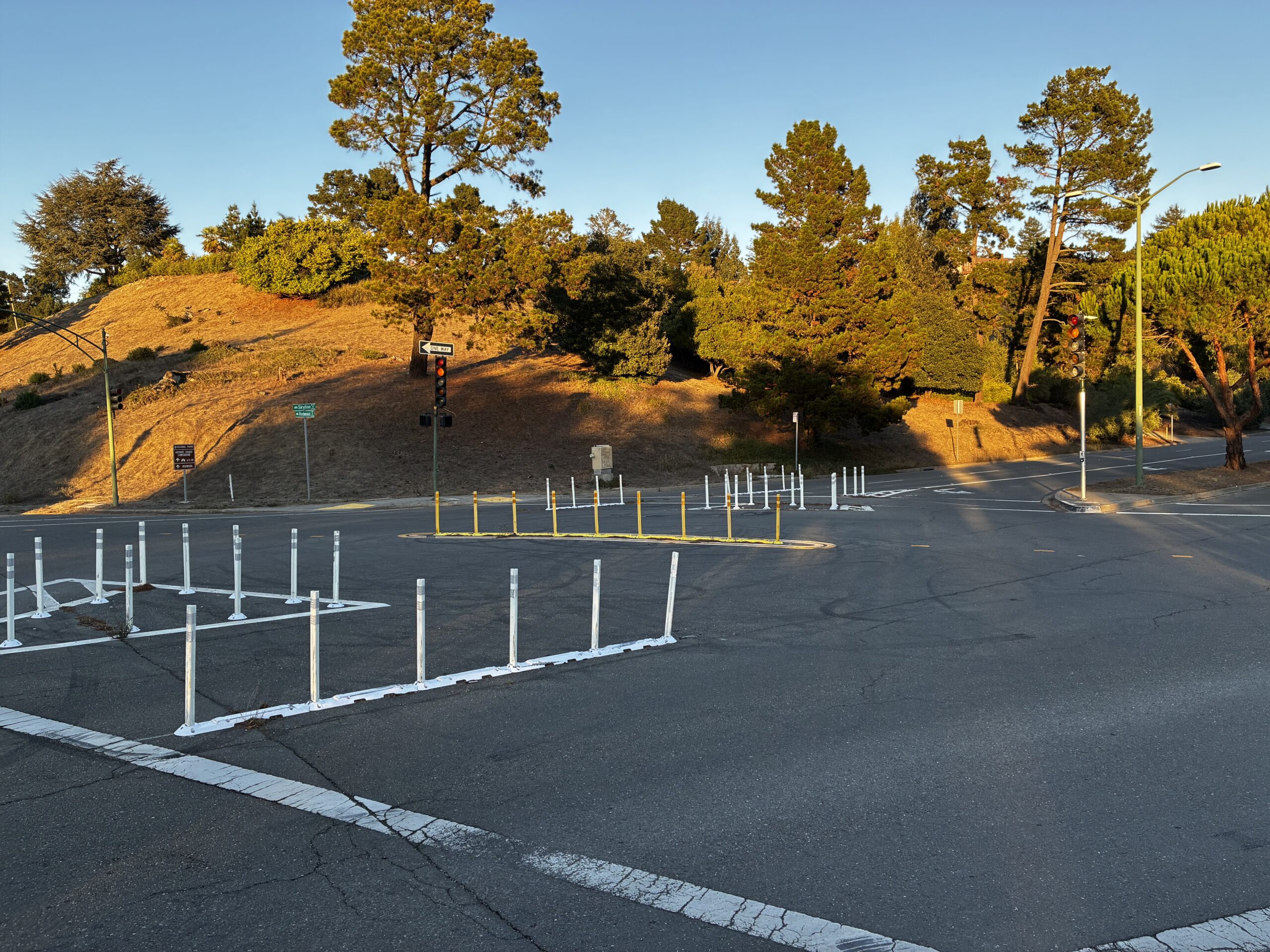
In the haze of fireworks and broken glass, rowdy crowds packed the intersection to record modded mustangs and watch daring drivers spin their cars in donuts. One of Oakland’s largest sideshows ever occurred at the intersection of 41st and Howe in Oakland at 2:00 AM on August 24th, 2025, becoming internet viral before dawn. Featuring automobile stunts and daredevil antics, these illegal gatherings reflect the city’s car culture at its most magnetic.
Part of the thrill of these sideshows is their high risk and danger, which fueled Oakland officials’ decades-long push for strict enforcement against them. Recently, Barbara Lee has advocated for a more conscious effort around sideshow prevention in her 100-day action plan as Oakland Mayor, dedicating $1.4 million to causes such as greater police enforcement and more street upgrades at intersections.
Sideshows, however, are deeply ingrained in Oakland’s rich culture and social scene. Geoff Evans, who teaches the Senior history seminar “Oakland Through Many Lenses,” described how the city has always had “vibrant, souped-up car culture.”
Sideshows first appeared in Oakland in the mid-1980s as a cultural gathering for youth residents to showcase the city’s music and automotive muscle.
“The Eastmont Mall had a huge parking lot, so that was one of the first, impromptu places where people felt comfortable to have these sideshows,” Evans said.
Long-time Oaklanders often view sideshows as cultural history, raising questions of whether these strict policy solutions should be taken. When police began shooing crowds away from parking lots, these demonstrations slowly moved into Oakland’s intersections, becoming considerably less safe over the years.
“We now see how it’s become dangerous and people die, so who’s responsible when damage is created, or who’s responsible when someone gets hit and has to go to the hospital?” Evans stated, referencing a teen who fatally fell during an Oakland sideshow in September.
Moreover, neighbors must deal with screeching noise and the occasional burning cars or celebratory gunshots.
“I would sometimes hear the cars from the sideshows really late at night,” Senior Evan Beal commented on living near sideshow hotspots in Skyline. “There were also tire marks from cars doing doughnuts at an intersection about one minute from my house.”
There is no doubt that Oakland must mitigate sideshow dangers, but many suggested plans and policies are flawed.
“[Sideshows are] like street art; when it’s sanctioned, it’s no longer cool,” Evans said, referencing the proposals of designated, unused spaces for sideshows. “It’s kind of naive to think that sideshows will just go [to a sanctioned strip] because it’s good turf… they’re doing it because you’re not supposed to.”
By morning, the smoke has cleared and the crowds have dispersed, but the question of how to best handle sideshows remains.
As Evans puts it, “It’s something that Oakland has created organically. It’s something that makes Oakland Oakland.”