
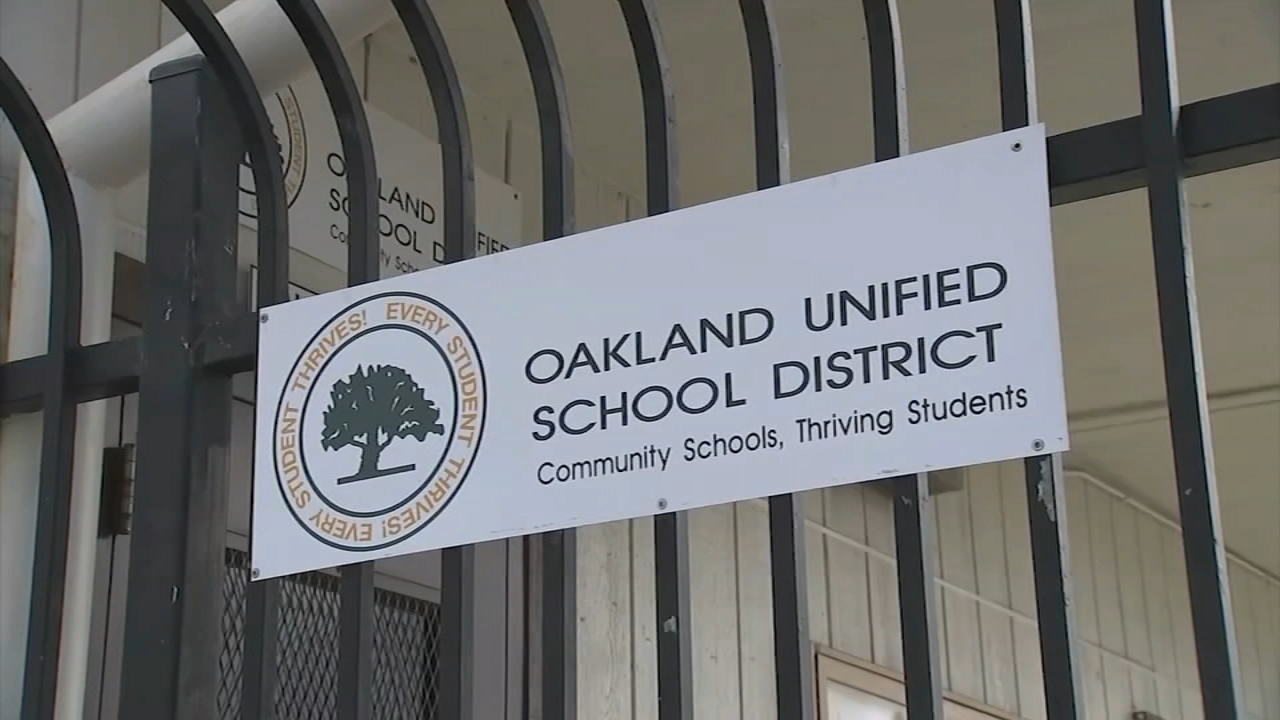
In June of 2003, the state of California discovered a massive financial deficit in the Oakland Unified School District (OUSD), and gave them an emergency loan of $100 million to keep their district afloat. The state then took control of the district until OUSD could repay the debt. In June of 2025, OUSD finally regained control of its finances. However, the district immediately faced a new $30 million deficit, which quickly ballooned to $100 million.
OUSD’s financial struggles are not unique; school districts across the country are facing financial difficulties as enrollment decreases and COVID funds expire. However, other districts have taken action by school closure or staff cuts. The Oakland school board’s inner disagreements and struggle to work with the Oakland teachers’ union (OEA), have slowed progress in cutting the deficit.
One proposed solution that Oakland has shied away from is closing schools. Typically, districts consider closing schools with the lowest enrollment, but this strategy raises equity concerns. Many of the schools that would be targeted for closure serve majority Black and Latino students, which would worsen current disparities in the education of those communities.
Because closing schools raises serious equity concerns, the district has turned toward potential staffing cuts to reduce its deficit. This has brought OUSD into conflict with the OEA, which is attempting to limit these cuts to protect their jobs and get increased wages. As a result, the Oakland teachers went on strike in 2023 in an attempt to gain higher wages. They were successful, gaining a 10% to 15% salary increase and an annual $5,000 bonus for all union members.
This February, teachers once again threatened to strike in a demand for higher wages following a year of stalled contract negotiations. In an emergency board meeting, OUSD and the OEA were able to reach a tentative agreement, giving all teachers an 11% salary increase and senior teachers a 13% increase. While this calmed the waters between OUSD and the OEA, it raises the question of where this money is coming from.
During an Oakland rally, school board member Mike Hutchinson expressed his worry for Oakland’s future in an interview with KRON4 News: “This grows our deficit to an amount that we’ve never seen before in OUSD. This tentative agreement would add roughly $50 million to next year’s deficit.” With this added debt, the district may be forced to go to more extreme measures to combat the deficit. Their current plan is to eliminate 421 school support staff positions, such as nurses, counselors, literacy tutors, and custodians.
Additionally, they plan to eliminate much of the central office staff, mainly network superintendents and assistant principals. This leaves school principals as the only instructional leaders left on school campuses, meaning that they will have much less support with a lot of the daily operations at schools.
As the board moves forward with its cuts, disagreements have intensified between board members about how they should respond. Miranda Thorman, the executive director of East Bay Innovation Academy, described the February 25 meeting: “It was a tense atmosphere. Members of the board were yelling at each other and accusing each other of going against their campaign promises. There were members of multiple unions who were making public comments advocating to avoid cuts… One parent from my school asked me ‘are these really the people in charge’, and when I said yes, he was shocked and started recording.”
Whatever decisions the district makes will leave some Oakland communities dissatisfied. Nonetheless, over the next few months, we will see if OUSD is able to cut its deficit and improve the education for Oakland students.