
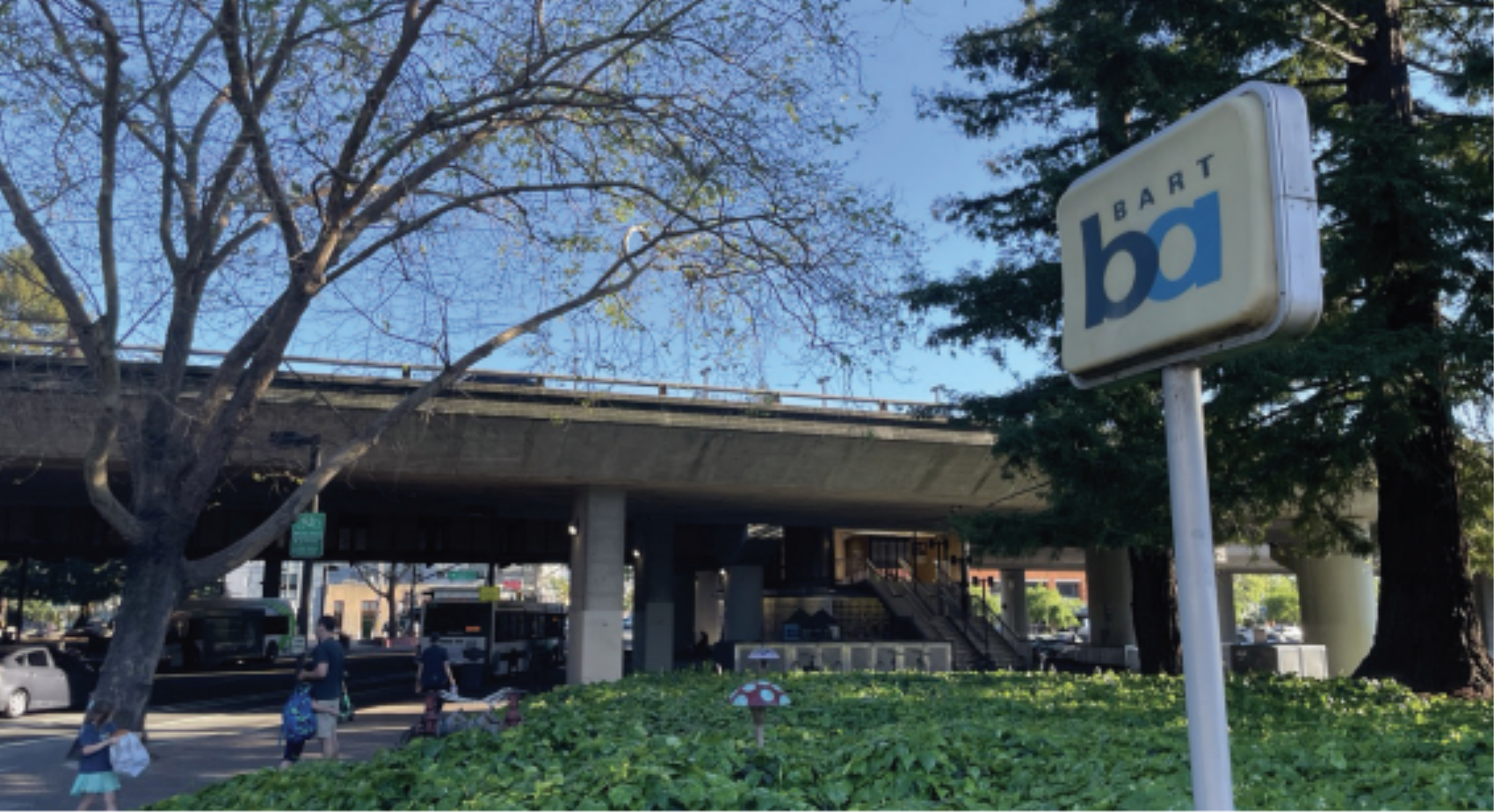
The Bay Area Rapid Transit (BART) has become one of the most recognizable forms of transportation in Northern California. However, it has also become one of the most criticized. Complaints about safety, delays, and cleanliness run rampant on social media, often clouding public perception and ridership popularity. Currently, over 55% of students at the School use BART less than once a month. The post-pandemic decline in ridership has caused its latest strife, as BART struggles to manage its $376 million in debt. According to a Board meeting in February, the rail system may face drastic cuts due to potential revenue losses, leading to station closures, inaccessible service, and higher fares.
In truth, BART deserves more credit for what it offers, especially for students seeking both fun and efficient experiences when traveling across the Bay. Luke Sera-Tacorda, a senior at the School without his license, is a long-standing BART enthusiast.
“I think it’s pretty good. It often gets a bad rap, but I disagree,” Sera-Tacorda commented. Living in Walnut Creek, he often uses the BART to ease his commute to and from school, especially given his family’s busy schedule.
Health and safety are major concerns for students wary of public transit, who cited high levels of “danger,” “violence,” and “uncleanliness” that often deter them from choosing BART. However, Sera-Tacorda disagrees. “The Yellow Line, which I use to run from Embarcadero to Walnut Creek, is pretty clean. ” The Yellow Line is the most popular on BART and is used by most students to commute across the East Bay.
The BART is also a reliable alternative to driving. Though the idea of transportation not on your own time may seem inconvenient, BART is surprisingly accommodating. “A train usually comes every 10 minutes,” Sera-Tacorda said. With some minor planning, BART can become a seamless way to get around San Francisco without all the hassle of parking.
Alongside its effectiveness as a form of transportation, BART provides an immersive experience of the oddities, quirks, and idiosyncrasies of public transit. “Once, I saw someone put their bike on BART, take it apart, and try to repair it. But instead of grease, they used Hershey’s chocolate sauce. And then they put it back together and rode it out,” Sera-Tacorda said. Where else would one see moments like these? Despite their safety concerns, many students at the School enjoy the performers and culture of the BART.
As BART faces potential budget cuts and station closures, its future depends on whether Bay Area residents, especially students, choose to use it. “Even if I could drive, I would still have to take BART a decent bit, and you should too, especially if you live near a station,” Sera-Tacorda noted. With that being said, students should consider the youth fare pass to enjoy 50% off BART fares and travel around the Bay for cheaper than driving, all while supporting the transit system in this tumultuous time.